
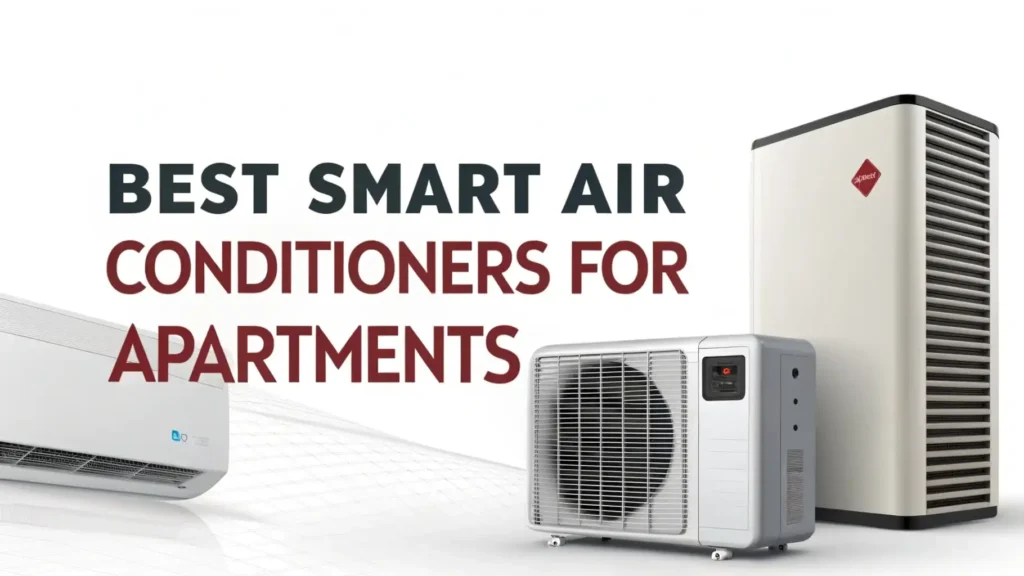
7 Best Smart Air Conditioners for Apartments in 2026
Living in an apartment doesn’t mean you have to sacrifice comfort during hot summer months. Smart air conditioners have changed the way we cool our homes.
These intelligent cooling systems offer remote control, energy monitoring, and voice command features that make apartment living more comfortable than ever before.
The smart AC market in 2026 brings innovative solutions specifically designed for apartment dwellers. You can now control your air conditioner from anywhere using your smartphone.
Key Takeaways
- Smart Features Matter: Look for air conditioners with WiFi connectivity and voice control compatibility with Alexa or Google Assistant. These features allow you to control your AC from anywhere using your smartphone.
- Energy Efficiency Saves Money: Models with inverter technology can reduce energy consumption by up to 37%. This means lower electricity bills throughout the summer months while keeping your apartment comfortable.
- Size and BTU Rating: Choose the right BTU rating for your room size. An 8,000 BTU unit works well for rooms up to 350 square feet, while 12,000 BTU models can cool spaces up to 550 square feet effectively.
- Noise Levels Count: Ultra quiet operation is essential for apartment living. Many 2026 smart ACs operate below 45 decibels, which is quieter than normal conversation and won’t disturb your sleep or work.
- Installation Flexibility: U-shaped window units and portable models offer easy installation without permanent modifications. This makes them perfect for renters who need temporary cooling solutions.
- Multi-Mode Operation: The best smart air conditioners offer cooling, dehumidification, and fan modes. This versatility helps you maintain comfort in different weather conditions throughout the year.
Midea U-Shaped Smart Inverter Window Air Conditioner 12,000 BTU

The Midea U-Shaped Smart Inverter stands out as one of the most innovative window units available in 2026. This 12,000 BTU powerhouse cools spaces up to 550 square feet with remarkable efficiency. The unique U-shaped design allows you to open your window even while the unit operates, giving you fresh air and cooling simultaneously.
Smart connectivity transforms how you interact with your air conditioner. The unit connects seamlessly with Alexa and Google Assistant for hands-free voice control.
You can adjust temperature settings, switch modes, and monitor energy usage through the dedicated smartphone app from anywhere. The inverter technology delivers 35% energy savings compared to traditional units, which translates to real money saved on your electricity bills.
The ultra-quiet operation makes this model perfect for bedrooms and studios. You’ll barely notice the sound even at maximum cooling capacity. Installation takes minutes with the included mounting kit. The sleek white design blends into any apartment decor without drawing attention.
Pros:
✓ Ultra-quiet operation ideal for bedrooms
✓ U-shaped design allows window opening for fresh air
✓ 35% energy savings with inverter technology
✓ Full smart home integration with Alexa and Google
✓ Cools large rooms up to 550 square feet
Cons:
✗ Higher upfront cost than standard window units
✗ Requires specific window size for proper installation
✗ Heavier than traditional window ACs
LG Dual Inverter Smart Window Air Conditioner 23,500 BTU

LG brings serious cooling power to apartments with this 23,500 BTU dual inverter unit. This beast handles rooms up to 1,440 square feet, making it perfect for open-concept apartments or large living spaces. The dual inverter compressor works harder and more efficiently than single inverter systems.
The LG ThinQ technology gives you complete control through your smartphone. You can create cooling schedules that match your daily routine. The system learns your preferences over time and adjusts automatically. Voice commands work through Amazon Alexa and Hey Google, letting you change settings without touching a button.
Energy efficiency remains a priority despite the powerful cooling capacity. The inverter technology adjusts compressor speed based on room temperature, using only the energy needed to maintain comfort. This smart approach reduces electricity consumption while providing consistent cooling throughout the day.
Pros:
✓ Powerful 23,500 BTU cooling for large spaces
✓ Dual inverter technology for maximum efficiency
✓ LG ThinQ app offers advanced scheduling features
✓ Works with multiple voice assistant platforms
✓ Ultra-quiet operation despite high BTU rating
Cons:
✗ Requires 230V electrical outlet
✗ Heavy unit needs strong window support
✗ Premium pricing reflects advanced features
BLACK+DECKER Smart Portable Air Conditioner 14,000 BTU

Portability meets smart technology in this BLACK+DECKER 14,000 BTU portable unit. This model offers freedom that window units can’t match. You can move it from room to room as needed, focusing cooling power wherever you spend time. The 10,200 BTU SACC rating effectively cools rooms up to 700 square feet.
The Follow Me remote represents a clever innovation. It senses the temperature at your location rather than at the unit itself. This means you stay comfortable no matter where you sit in the room. The remote becomes a personal thermostat that follows you around your apartment.
Smart connectivity lets you control the unit through WiFi before you arrive home. Turn it on during your commute and walk into a perfectly cooled space. The included window kit makes installation straightforward even for first-time users. Three operating modes provide cooling, dehumidification, and fan-only options for year-round versatility.
Pros:
✓ Portable design moves between rooms easily
✓ Follow Me remote for personalized comfort
✓ WiFi control for remote operation
✓ No permanent installation required
✓ Multiple operating modes for flexibility
Cons:
✗ Requires exhaust hose venting through window
✗ Takes up floor space in your room
✗ Louder than window-mounted units
Midea Smart Inverter Air Conditioner with Heat 12,000 BTU

Year-round climate control comes standard with this Midea 12,000 BTU smart inverter that includes heating capability. This dual-function unit eliminates the need for separate heating and cooling systems in your apartment. The Energy Star rating confirms its efficiency meets strict government standards.
Smart controls give you command over your comfort from anywhere. The dedicated app provides detailed energy usage statistics, helping you understand and reduce consumption. Schedule temperature changes to match your work schedule. Set different temperatures for weekdays and weekends automatically.
The inverter technology adjusts compressor speed continuously rather than cycling on and off. This approach maintains more consistent temperatures while using less energy. The dehumidifier mode removes excess moisture during humid months, improving comfort even when you don’t need active cooling.
Pros:
✓ Heating and cooling in one unit
✓ Energy Star certified efficiency
✓ Quiet inverter operation
✓ Detailed energy monitoring through app
✓ Cools up to 550 square feet effectively
Cons:
✗ Electronic controls may overwhelm some users
✗ Remote control requires line of sight
✗ Heat pump less effective in extreme cold
GE Profile ClearView Inverter Window AC 10,000 BTU

The GE Profile ClearView offers a clear advantage with its innovative design that preserves your window view. This 10,000 BTU inverter unit cools spaces up to 450 square feet while letting natural light stream through your window. The slim profile and smart design make it nearly invisible from inside your apartment.
Smart home capability integrates with your existing smart home ecosystem. Control temperature, fan speed, and operating modes through voice commands or the GE Comfort app. Create custom schedules that align with your lifestyle. Monitor energy consumption and receive maintenance reminders automatically.
The ultra-quiet operation comes from advanced inverter technology and improved insulation. Even at full power, the noise level stays remarkably low. The included remote control and digital display provide easy manual operation when you prefer hands-on control.
Pros:
✓ Maintains window view with slim design
✓ Inverter technology for energy efficiency
✓ Ultra-quiet operation in all modes
✓ Smart home integration included
✓ Easy installation with adjustable depth
Cons:
✗ Premium price point
✗ Limited to medium-sized rooms
✗ Requires compatible smart home hub for full features
Frigidaire Smart Window Air Conditioner 12,000 BTU

Frigidaire delivers reliable cooling with smart features at a competitive price point. This 12,000 BTU window unit handles rooms up to 550 square feet with ease. The WiFi connectivity works straight out of the box without requiring additional hubs or complex setup procedures.
The Frigidaire app puts control at your fingertips. Adjust settings from bed, from work, or from vacation. Receive alerts when the filter needs cleaning. Track energy usage patterns to identify savings opportunities. The voice control compatibility works with major smart home platforms.
Three fan speeds and Eco Mode give you flexibility in how you cool your space. Eco Mode automatically adjusts settings to minimize energy consumption while maintaining comfort. The quiet operation and remote control make daily use effortless and convenient.
Pros:
✓ Competitive pricing for smart features
✓ Simple WiFi setup process
✓ Eco Mode for automatic energy savings
✓ Remote control included
✓ Cools large rooms effectively
Cons:
✗ Basic app interface compared to competitors
✗ Louder than premium inverter models
✗ Standard on/off compressor uses more energy
Dreo Portable Smart Air Conditioner 8,000 BTU

The Dreo AC318S redefines portable cooling with its drainage-free technology. This 8,000 BTU ASHRAE-rated unit eliminates the hassle of emptying water tanks constantly. The smart evaporation system handles condensation automatically, making maintenance nearly effortless.
Voice control through Alexa or Google Assistant lets you adjust settings hands-free. The Dreo smartphone app provides remote access from anywhere. Pre-cool your bedroom before sleep time or turn off the unit when you forget from the office. The 45-decibel operation makes it one of the quietest portable units available.
Multiple operating modes include cooling, dehumidification, and fan-only options. The sleep mode gradually adjusts temperature throughout the night for optimal rest. Wheels and handles make moving the unit between rooms simple and quick.
Pros:
✓ Drainage-free operation eliminates maintenance
✓ Ultra-quiet 45-decibel operation
✓ Full app and voice control
✓ Sleep mode for nighttime comfort
✓ Easy room-to-room mobility
Cons:
✗ Lower BTU rating limits room size
✗ Exhaust hose reduces portability
✗ Takes up valuable floor space
Whynter NEX Dual Hose Portable Air Conditioner 14,000 BTU

Whynter’s NEX series brings professional-grade cooling to apartment living. The 14,000 BTU inverter system with dual hose design cools up to 600 square feet more efficiently than single-hose models. The dual hose configuration draws outdoor air for cooling the condenser, preventing negative air pressure in your room.
Smart WiFi connectivity gives you control through the dedicated app. Monitor energy consumption in real-time. Adjust settings remotely before arriving home. Create weekly schedules that match your routine perfectly. The system works with voice assistants for hands-free operation.
The inverter technology adjusts compressor speed continuously, delivering 30% better energy efficiency than traditional portable units. The dehumidifier function removes up to 80 pints of moisture per day, perfect for humid climates. The stylish white design looks modern and professional in any apartment setting.
Pros:
✓ Dual hose design for superior efficiency
✓ Inverter technology reduces energy costs
✓ Powerful dehumidification capability
✓ Smart WiFi control included
✓ Cools large spaces effectively
Cons:
✗ Higher price reflects premium features
✗ Dual hoses require more window space
✗ Heavier than single-hose models
Understanding Smart Air Conditioner Technology
Smart air conditioners represent a significant leap forward from traditional cooling systems. These units connect to your home WiFi network and communicate with smartphone apps. This connectivity enables remote control, scheduling, and energy monitoring that wasn’t possible with older models.
The core smart features include mobile app control, voice assistant compatibility, and programmable schedules.
You can adjust temperature settings from anywhere with internet access. Voice commands through Alexa or Google Assistant let you control cooling hands-free. Smart schedules automatically adjust temperatures based on your daily routine.
Energy monitoring helps you understand consumption patterns and identify savings opportunities. Many apps show real-time energy use and historical data. Some units provide cost estimates based on local electricity rates. This transparency helps you make informed decisions about cooling habits.
Choosing the Right BTU Rating for Your Apartment
BTU (British Thermal Unit) ratings indicate cooling power. Selecting the correct BTU rating ensures efficient cooling without wasting energy or money. Undersized units struggle to cool your space and run constantly, while oversized units cycle on and off too frequently, reducing efficiency and comfort.
For rooms up to 350 square feet, an 8,000 BTU unit provides adequate cooling. Bedrooms and small studios typically fall into this category. Medium rooms between 350 and 450 square feet need 10,000 BTU capacity.
Larger living spaces from 450 to 550 square feet require 12,000 BTU units. Open-concept apartments or rooms larger than 550 square feet benefit from 14,000 BTU or higher ratings.
Consider additional factors that affect cooling requirements. High ceilings add volume that requires more cooling power. Direct sunlight through large windows increases heat gain. Kitchen areas generate extra heat from appliances. Add 10% more BTU capacity if these factors apply to your space.
Energy Efficiency and Cost Savings
Inverter technology represents the biggest advancement in air conditioner efficiency. Traditional units run at full power until reaching the set temperature, then shut off completely.
Inverter systems adjust compressor speed continuously, using only the power needed to maintain temperature. This approach reduces energy consumption by 30% to 37% compared to standard models.
The Energy Star certification identifies units that meet strict efficiency guidelines set by the EPA. Energy Star air conditioners use at least 10% less energy than standard models. Over a typical cooling season, this difference can save $50 to $150 on electricity costs.
Smart scheduling maximizes efficiency by cooling your apartment only when needed. Program higher temperatures when you’re at work and cool down before you arrive home. Weekend schedules can differ from weekday settings. Some units learn your patterns and adjust automatically over time.
Installation Considerations for Apartment Dwellers
Window units require stable window frames that can support their weight. Most apartments have double-hung windows compatible with standard installation kits. Measure your window width and height before purchasing. U-shaped models offer more flexibility and allow window opening during operation.
Portable air conditioners need window access for exhaust hoses but don’t require mounting. The included window kit creates a seal around the hose. This temporary installation doesn’t damage windows or frames, making it ideal for renters. Dual-hose models need more window space but operate more efficiently.
Check your lease agreement before installing any air conditioning unit. Some landlords prohibit window units or require specific installation methods. Portable models typically face fewer restrictions. Always follow manufacturer installation instructions to ensure safety and optimal performance.
Smart Features That Make a Difference
Voice control integration adds convenience beyond simple temperature adjustments. You can ask your voice assistant about current settings, change fan speeds, or switch between modes. Hands-free control proves especially useful when cooking, working, or carrying items.
Geofencing technology detects when you leave or approach your apartment. The system can automatically adjust temperatures based on your location. Cooling ramps down when you leave and resumes before you return. This feature saves energy without sacrificing comfort.
Energy usage alerts notify you when consumption exceeds normal levels. This early warning helps identify problems before they become expensive. Some apps provide recommendations for optimizing settings based on your usage patterns and preferences.
Maintenance and Filter Management
Regular maintenance keeps your smart air conditioner running efficiently. Clean or replace filters every two weeks during heavy use. Clogged filters restrict airflow and force the unit to work harder, increasing energy consumption. Many smart units send filter cleaning reminders through their apps.
Exterior cleaning prevents dust buildup on vents and coils. Wipe down the unit exterior monthly with a damp cloth. Vacuum intake vents to remove accumulated dust and pet hair. Keep the area around portable units clear for proper airflow.
Professional servicing once a year extends unit lifespan and maintains peak performance. Technicians check refrigerant levels, clean internal components, and identify potential issues early. Many manufacturers recommend annual service to maintain warranty coverage.
FAQs
What makes a smart air conditioner different from a regular one?
Smart air conditioners include WiFi connectivity that regular units lack. This connection allows control through smartphone apps from anywhere with internet access. You can monitor energy usage, create schedules, and adjust settings remotely. Voice control through Alexa or Google Assistant adds hands-free operation. Regular air conditioners require manual control through physical buttons or basic remotes without smart features.
Can I install a smart air conditioner myself?
Window-mounted smart air conditioners typically allow DIY installation following manufacturer instructions. Most units include mounting hardware and detailed installation guides. The process involves securing mounting brackets, placing the unit, and sealing gaps with foam insulation. Portable models require even simpler setup, just positioning the unit and venting the exhaust hose through a window.
Do smart air conditioners work without WiFi?
Smart air conditioners function normally for basic cooling even without WiFi connection. Manual controls and included remotes let you adjust temperature, fan speed, and operating modes. However, you lose remote access through smartphone apps, voice control capabilities, energy monitoring features, and automated scheduling. The unit still cools effectively, but you miss the convenience and efficiency benefits that smart features provide.
How much energy do smart air conditioners save?
Smart air conditioners with inverter technology save 30% to 37% more energy compared to traditional models. The exact savings depend on usage patterns, room size, and climate conditions. Smart scheduling features add another 10% to 15% savings by cooling only when needed. Over a typical summer season, these savings translate to $75 to $200 lower electricity bills. Energy monitoring helps identify additional optimization opportunities.
Are smart air conditioners worth the extra cost?
Smart air conditioners justify their higher upfront cost through energy savings and convenience features. The improved efficiency typically recovers the price premium within two to three cooling seasons. Remote control prevents wasted cooling when you forget to adjust settings. Scheduling automation optimizes energy use without requiring constant attention.
Can renters use smart air conditioners?
Renters can absolutely use smart air conditioners with minimal concerns. Portable models require no permanent installation and leave no damage when you move. Window units install temporarily and remove completely without affecting the window frame. Always check your lease agreement first, as some landlords have specific requirements or restrictions.