
10 Best AR Glasses for Watching Movies on Planes in 2026
Flying can get boring fast. You squeeze into a cramped seat, stare at a tiny seatback screen, and watch the same old movies everyone else is watching. But 2026 brings a game-changing solution that transforms your travel experience completely.
This guide explores the top 10 AR glasses specifically chosen for airplane movie watching. Each product gets tested for portability, comfort, battery efficiency, and display quality.
You will find options ranging from budget-friendly choices under $300 to premium models with cutting-edge features.

Key Takeaways:
- Virtual Screen Size Matters: Most AR glasses project screens equivalent to 120 to 215 inches when viewed from a typical distance. This gives you a movie theater experience right in your airplane seat. The larger the field of view (FOV), measured in degrees, the more immersive your viewing experience becomes.
- Lightweight Design is Essential: The best travel AR glasses weigh between 38 to 85 grams. This ultralight construction means you can wear them for entire cross-country flights without discomfort. Heavier models cause pressure on your nose and ears during extended use.
- Brightness Makes All the Difference: Airplane cabins have varying light conditions. Look for glasses with at least 600 nits of brightness. Premium models reach 1000 to 1200 nits, ensuring perfect visibility even when cabin lights stay on or sunlight streams through windows.
- Powered by Your Device Saves Space: Most modern AR glasses draw power directly from connected devices through USB-C cables. This means no separate batteries to charge or carry. Your phone or laptop powers everything, making packing much simpler.
- Comfort Features Extend Viewing Time: Adjustable nose pads, flexible frames, and electrochromic dimming technology all contribute to comfortable long-duration wear. Some models include myopia adjustment, eliminating the need to wear prescription glasses underneath.
XREAL One Pro AR Glasses with X1 Chip

The XREAL One Pro represents the cutting edge of AR glasses technology in 2026. This model features the revolutionary X1 chip that enables native 3 degrees of freedom tracking. You get smooth head movement tracking without any external sensors or setup required.
The display specs impress immediately. You see a 171-inch equivalent screen with a 57-degree field of view. The 120Hz refresh rate makes every movie scene flow smoothly. Fast action sequences and camera pans look buttery smooth. The Full HD resolution delivers sharp text and detailed images.
XREAL partnered with Bose for the audio system. The built-in speakers produce surprisingly rich sound considering their size. You hear clear dialogue, punchy bass, and detailed sound effects. The open-ear design means you can still hear important flight announcements.
The X-Prism optics technology reduces edge distortion significantly. Colors stay accurate across the entire viewing area. Brightness reaches comfortable levels for various lighting conditions. The glasses work perfectly with iPhone 17, iPhone 16, Steam Deck, ROG devices, Mac, PC, and Android phones.
Pros:
✓ Best-in-class 57-degree field of view creates truly immersive experience
✓ Bose audio system delivers premium sound quality
✓ Native 3DoF tracking works without external setup
✓ 120Hz display makes motion incredibly smooth
✓ X1 chip provides powerful processing
Cons:
✗ Premium pricing at $599 might stretch some budgets
✗ Requires USB-C connection to compatible devices
✗ Heavier than some competitors
✗ Two size options mean you need to choose correctly
RayNeo Air 3s AR Glasses

RayNeo Air 3s glasses deliver exceptional value for money. These glasses project a massive 201-inch equivalent screen. That gives you one of the largest viewing areas available. The 120Hz refresh rate matches premium models costing much more.
The display uses HueView technology for accurate color reproduction. You see vibrant reds, deep blacks, and natural skin tones. The 1080p resolution keeps everything sharp. Text remains readable even during long documents or subtitle-heavy foreign films.
Weight becomes a major advantage here. At only 76 grams, these rank among the lightest AR glasses available. You barely notice them during marathon movie sessions. The balanced weight distribution prevents pressure points on your nose and ears.
Brightness reaches 650 nits in the standard Air 3s model. This provides adequate visibility in most cabin lighting conditions. The glasses connect via USB-C to iPhone 17, iPhone 16, iPhone 15, Android devices, Mac computers, Nintendo Switch, PS5, and Steam Deck.
Pros:
✓ Extremely lightweight at 76 grams
✓ Massive 201-inch screen size
✓ Affordable pricing around $289
✓ Excellent compatibility with multiple devices
✓ HueView color technology produces accurate colors
Cons:
✗ 650 nits brightness struggles in very bright cabins
✗ No built-in battery means tethered to device
✗ Standard model lacks dimming features
✗ Audio quality acceptable but not premium
VITURE Luma Pro XR Glasses

VITURE Luma Pro glasses push display quality to new heights. The 1200p resolution delivers sharper images than standard 1080p models. You notice the difference immediately in fine details, text clarity, and overall image crispness.
Brightness reaches an impressive 1000 nits. This makes these glasses work perfectly even in brightly lit airplane cabins. Window seats during daytime flights pose no problem. The display remains perfectly visible and comfortable to watch.
The 52-degree field of view strikes a perfect balance between immersion and awareness. Your movies fill your vision without completely blocking the outside world. The 152-inch equivalent screen size provides cinema-like viewing.
VITURE includes dimming adjustment features. You can fine-tune the transparency of the lenses. Block out everything for maximum immersion during nighttime flights. Increase transparency during daytime for safer awareness of your surroundings.
Pros:
✓ Exceptional 1000 nits brightness handles any lighting
✓ 1200p resolution provides superior sharpness
✓ Adjustable dimming adapts to different environments
✓ Harman audio delivers quality sound
✓ Supports latest devices including Switch 2
Cons:
✗ Higher price point at $499
✗ Slightly bulkier than ultralight models
✗ Requires compatible USB-C device with DP Alt Mode
✗ No prescription lens accommodation
Rokid Max 2 AR Glasses

Rokid Max 2 glasses feature Micro-OLED display technology. This creates deeper blacks and more vibrant colors compared to standard LCD displays. The contrast ratio makes movie scenes pop with life. Dark scenes in thrillers and horror movies look particularly impressive.
The 215-inch equivalent screen provides the largest viewing area in this lineup. You truly feel surrounded by your content. The 50-degree field of view balances immersion with practicality. Movies fill your vision without causing disorientation.
At 75 grams, these remain lightweight enough for extended wear. The weight distributes evenly across the frame. Adjustable nose pads let you find the perfect fit. This prevents slipping during head movements.
Brightness reaches 600 nits, sufficient for most airplane environments. The Micro-OLED technology means colors stay saturated even at lower brightness levels. You can reduce brightness to save your phone battery without losing visual quality.
Pros:
✓ Micro-OLED delivers stunning contrast and colors
✓ Massive 215-inch screen size
✓ Lightweight 75-gram design
✓ Adjustable nose pads improve comfort
✓ Includes protective carrying case
Cons:
✗ 600 nits brightness lower than premium models
✗ No built-in dimming control
✗ Audio quality basic without external headphones
✗ Limited IPD adjustment range
XREAL One AR Glasses with X1 Chip

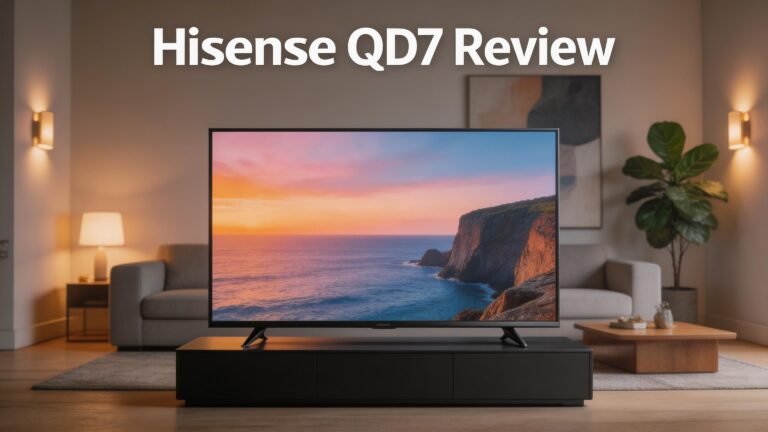
The standard XREAL One offers premium features at a more accessible price point. The X1 chip provides the same advanced processing as the Pro model. You get native 3DoF tracking for stable, smooth viewing regardless of head movements.
The 147-inch equivalent screen with 50-degree FOV creates an immersive experience. The 120Hz HD display ensures smooth motion. Movies, sports, and action content all benefit from the high refresh rate. No stuttering or judder disrupts your viewing.
XREAL includes expertly tuned audio that punches above its weight class. The speakers produce clear dialogue and decent bass response. Volume reaches comfortable levels even in noisy airplane cabins. The sound profile works well for various content types.
The glasses feature three adjustable lens transparency levels. Switch between full immersion, partial transparency, and maximum awareness. This flexibility makes them perfect for flights where you might need to interact with flight attendants or fellow passengers.
Pros:
✓ X1 chip provides powerful processing
✓ Native 3DoF tracking stays stable
✓ 120Hz display delivers smooth motion
✓ Three transparency levels adapt to situations
✓ More affordable than Pro model
Cons:
✗ Smaller 50-degree FOV than Pro version
✗ Audio good but not Bose-level quality
✗ Requires device with USB-C DP Alt Mode
✗ No IPD size options
VITURE Pro XR Glasses

VITURE Pro represents the previous generation but remains highly competitive. The 135-inch screen provides ample viewing area. The 120Hz refresh rate keeps motion smooth and fluid. You get the same quality experience as newer models at a reduced price.
Brightness hits 1000 nits just like the Luma Pro. This ensures perfect visibility in any lighting condition. The display stays crisp and clear even in bright airplane cabins. Colors remain accurate and vibrant.
Harman audio technology delivers quality sound without external headphones. The speakers produce clear highs, present mids, and surprising bass depth. Volume levels work well in noisy environments. You can add headphones for complete privacy if desired.
The electrochromic film provides electronic dimming. Adjust transparency with the touch of a button. Block external light completely for nighttime viewing. Increase transparency during daytime flights for situational awareness.
Pros:
✓ 1000 nits brightness excels in all lighting
✓ Myopia adjustment eliminates need for glasses
✓ Electrochromic dimming adds versatility
✓ Harman audio sounds excellent
✓ Lower price than newest generation
Cons:
✗ Older model lacks latest features
✗ Slightly heavier than ultralight options
✗ 135-inch screen smaller than some competitors
✗ Limited availability as newer models arrive
RayNeo Air 3s Pro AR Glasses

The RayNeo Air 3s Pro upgrades the standard 3s model with significantly higher brightness. At 1200 nits, these become the brightest consumer AR glasses available. Daytime flights with sun streaming through windows pose absolutely no challenge.
You get the same massive 201-inch screen as the standard model. The viewing area remains incredibly immersive. The 120Hz refresh rate handles fast motion smoothly. Action movies, sports content, and gaming all look fantastic.
The HueView display technology produces accurate colors with wide coverage. Reds look vibrant, blues appear deep, and skin tones seem natural. HDR10 support enhances compatible content with better contrast and color depth.
Weight increases slightly to accommodate the brighter display but remains reasonable. The glasses still feel comfortable during extended wear. The adjustable nose pads help achieve proper fit. The frame materials resist daily wear and travel abuse.
Pros:
✓ Industry-leading 1200 nits brightness
✓ Massive 201-inch screen size
✓ HDR10 support enhances compatible content
✓ 3D surround sound improves immersion
✓ Excellent price-to-performance ratio
Cons:
✗ Slightly heavier than standard 3s
✗ Tethered operation only
✗ No built-in battery option
✗ 46-degree FOV smaller than premium models
TCL NXTWEAR S AR Glasses

TCL brings established display expertise to the AR glasses market. The NXTWEAR S features Micro-OLED panels for superior image quality. You see deep blacks, vivid colors, and excellent contrast ratios. Movie scenes look cinematic and engaging.
The 201-inch virtual screen matches larger competitors. The viewing experience feels expansive and immersive. The 1080p resolution maintains sharpness across the entire display area. Text remains readable and images stay detailed.
TCL includes dynamic stereo sound with dual speakers. The audio system produces clear dialogue and decent soundstage. Volume levels work adequately in typical airplane noise. The open-ear design maintains some environmental awareness.
The glasses support 3D movie playback. Watch 3D Blu-ray rips or compatible streaming content in proper stereoscopic 3D. This adds another dimension to your entertainment options. The 3D effect works smoothly without causing eye strain.
Pros:
✓ Micro-OLED delivers excellent image quality
✓ 3D movie support adds viewing options
✓ Multi-window mode enables multitasking
✓ Dynamic stereo audio sounds good
✓ Established brand with good support
Cons:
✗ Build quality feels less premium than competitors
✗ Lower brightness than top models
✗ Heavier than ultralight options
✗ Mixed customer reviews on reliability
TOZO VIZO V1 AR Glasses

TOZO enters the AR glasses market with an impressive first effort. The VIZO V1 boasts 1800 nits brightness, the highest rating in this entire lineup. These glasses work perfectly in any lighting condition imaginable. Direct sunlight causes no visibility problems.
The 118-inch virtual screen provides adequate viewing area for most users. While smaller than some competitors, this size still creates an engaging movie-watching experience. The display quality remains sharp and clear throughout.
TOZO includes built-in stereo speakers that produce surprisingly good sound. The audio clarity exceeds expectations for glasses at this price point. Volume reaches comfortable levels without distortion. You can enjoy movies without headphones in most situations.
The adjustable myopia correction ranges from 0 to -500 degrees. This accommodates many common prescriptions. You watch movies clearly without wearing prescription glasses underneath. The adjustment mechanism operates smoothly and locks securely.
Pros:
✓ Incredible 1800 nits brightness
✓ Myopia adjustment up to -500 degrees
✓ 2D/3D mode switching capability
✓ Built-in speakers sound good
✓ Competitive pricing
Cons:
✗ Smaller 118-inch screen than most competitors
✗ Limited field of view
✗ Newer brand with less track record
✗ Fewer user reviews available
Rokid Max 2 with Station2 Spatial Computer

This bundle combines Rokid Max 2 glasses with the Station2 spatial computer. The Station2 runs Android independently. You can watch movies without connecting a phone, tablet, or laptop. This frees your devices for other uses during flights.
The Station2 provides 360-inch three-screen display capability. Open multiple virtual windows simultaneously. Watch a movie on the main screen while checking email on a side screen. Browse social media on another window. This multitasking capability enhances productivity and entertainment.
The Micro-OLED displays deliver 600 nits brightness with excellent contrast. Colors pop with vibrancy. Blacks appear truly deep rather than gray. The 120Hz OLED refresh rate ensures smooth motion across all screens.
The Station2 includes built-in storage for downloaded content. Load movies before your flight. Watch without internet connectivity or streaming. This proves invaluable on flights with poor or expensive WiFi.
Pros:
✓ Station2 enables standalone operation
✓ Three-screen multitasking capability
✓ Micro-OLED delivers stunning visuals
✓ Built-in storage for offline content
✓ Android system runs full apps
Cons:
✗ Significantly higher price at $498.99
✗ Station2 adds bulk to carry
✗ Battery life limited on very long flights
✗ Learning curve for spatial interface
Understanding AR Glasses Technology
AR glasses create virtual displays that appear to float in space. Most models use micro-projection systems that direct light into your eyes. Your brain interprets these light patterns as large screens positioned at comfortable viewing distances.
Modern AR glasses typically feature OLED or Micro-OLED displays. OLED technology provides superior contrast ratios compared to LCD. You see deeper blacks and more vibrant colors. Micro-OLED panels pack more pixels into smaller spaces, increasing overall sharpness.
Field of view measurements determine how large the virtual screen appears. A 50-degree FOV creates a screen similar to sitting in the middle rows of a movie theater. A 57-degree FOV mimics sitting closer to the screen. Smaller FOV ratings create smaller apparent screens.
Brightness ratings measured in nits indicate display visibility in various lighting. 600 nits works adequately in dim to moderately lit environments. 1000 nits handles bright cabins easily. 1200 nits and above provide perfect visibility in any condition including direct sunlight.
Frequently Asked Questions
Do AR glasses work without WiFi on planes?
Yes, AR glasses work perfectly without WiFi. They simply display content from your connected device. Download movies to your phone, tablet, or laptop before your flight. The glasses mirror this content regardless of internet connectivity. No streaming required once content is downloaded.
Can I use AR glasses if I wear prescription glasses?
Several approaches work for prescription wearers. Some AR glasses include built-in myopia adjustment from 0 to -6.00 diopters. These accommodate common prescriptions without additional glasses. Other models allow wearing prescription glasses underneath, though this reduces comfort. Contact lenses provide another solution that works with all AR glasses models.
How long does my phone battery last while powering AR glasses?
Battery drain varies by device and AR glasses model. Most modern smartphones power AR glasses for 3 to 5 hours of continuous video playback. Tablets with larger batteries last 5 to 8 hours. Bring a power bank for longer flights. Many airplane seats now include USB charging ports that extend viewing time indefinitely.
Are AR glasses allowed through airport security?
AR glasses pass through airport security like regular eyeglasses. TSA and international security agencies treat them as standard electronic devices. Place them in the bin during X-ray screening. Expect no issues or delays. Thousands of travelers use AR glasses regularly without problems.
Do AR glasses cause motion sickness on planes?
Most people experience no motion sickness with AR glasses during flights. The virtual screens remain stable relative to your head movements. Modern models include tracking technology that adjusts the display smoothly. Some individuals sensitive to motion sickness might feel minor discomfort initially. This typically subsides after a few uses as your brain adapts.
Can other passengers see what I am watching?
No, AR glasses provide completely private viewing. The displays project directly into your eyes only. People sitting next to you see normal-looking glasses. They cannot see your screen content at all. This privacy makes AR glasses perfect for flights where you want personal entertainment without disturbing others.
Which AR glasses offer the best value for money?
The RayNeo Air 3s provides exceptional value around $289. You get a massive 201-inch screen, 120Hz refresh rate, and 1080p resolution. The lightweight 76-gram design suits long flights perfectly. For slightly more budget, the Rokid Max 2 at $309 adds Micro-OLED technology for better image quality. Both models deliver premium experiences at mid-range prices.
Do I need special apps to use AR glasses?
Most AR glasses work with simple plug-and-play functionality. Connect via USB-C and they immediately mirror your device display. No special apps required for basic viewing. Some manufacturers offer optional apps that add features like virtual screen positioning or display adjustments. These apps enhance the experience but remain optional for movie watching.