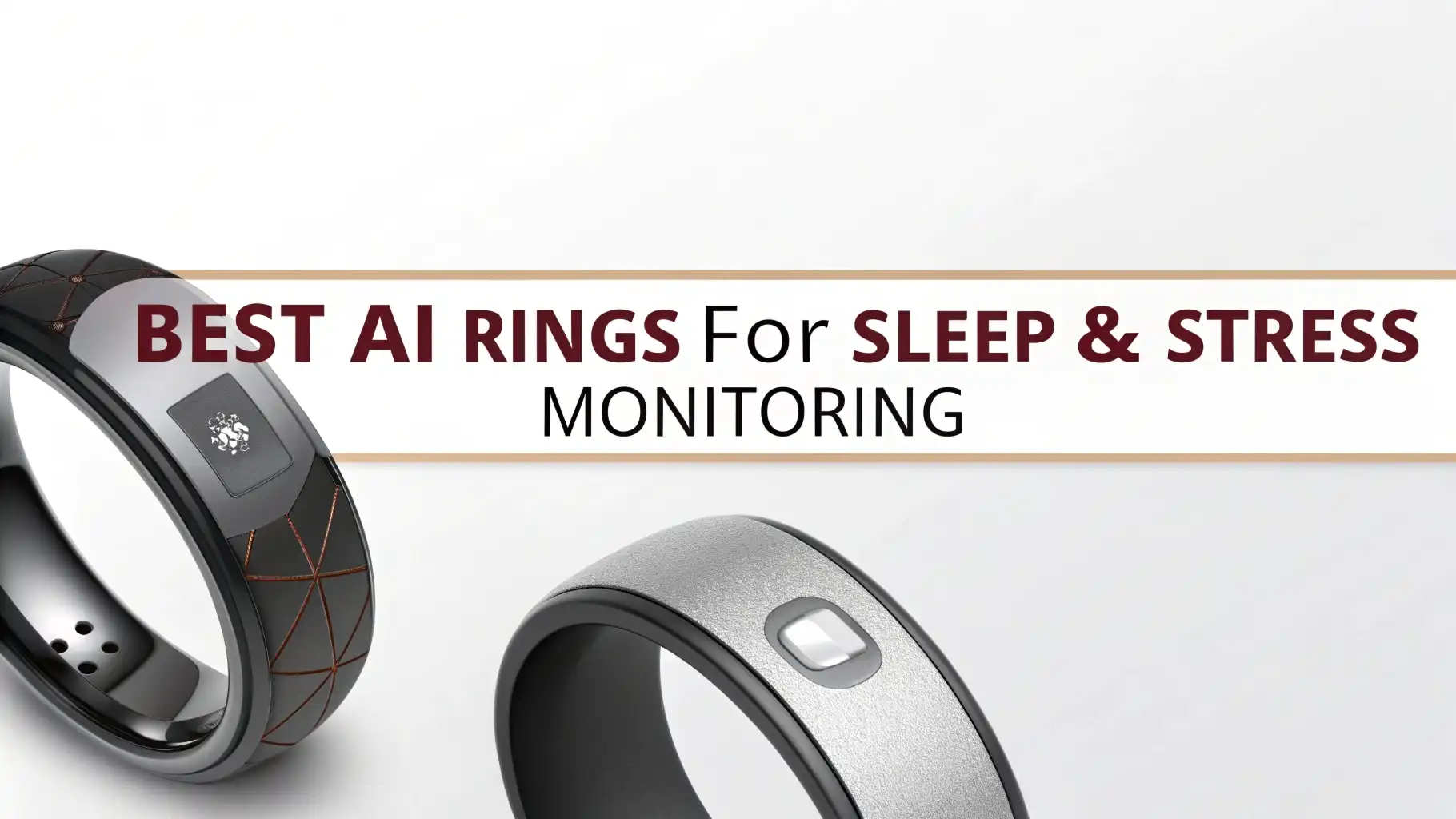
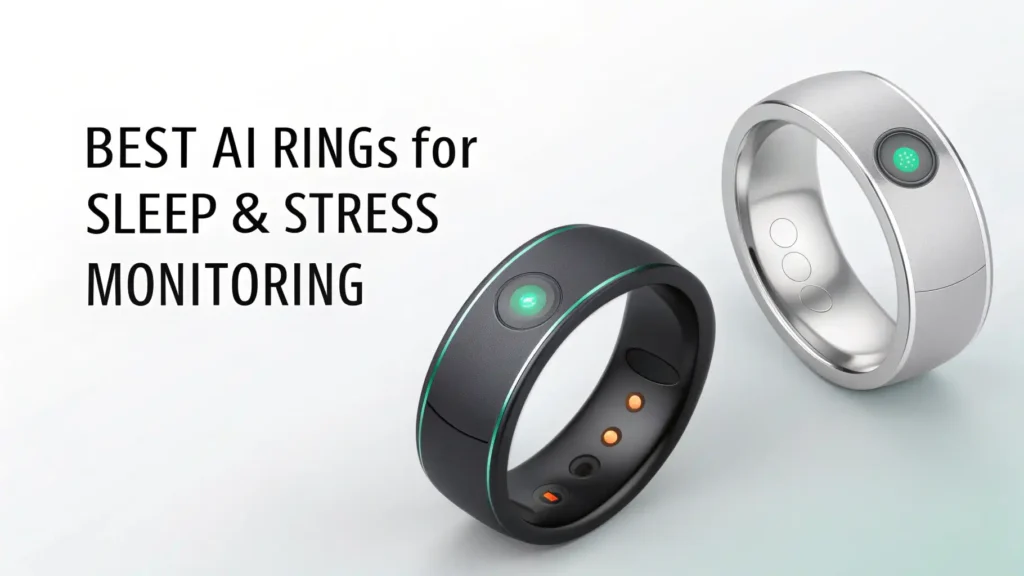
6 Best AI Rings for Sleep & Stress Monitoring
Your sleep quality affects everything from your mood to your productivity. Traditional fitness trackers can be bulky and uncomfortable during sleep.
Smart rings offer a better solution. These tiny devices sit comfortably on your finger while collecting powerful health data throughout the night.
The AI technology inside these rings analyzes your sleep patterns, stress levels, and recovery metrics with medical-grade accuracy.
Key Takeaways:
- Comfort Matters Most: Smart rings beat smartwatches for sleep tracking because you forget you’re wearing them. The lightweight design means no wrist pressure or screen glare keeping you awake at night.
- No Subscription Fees Available: Several top-rated smart rings now offer lifetime access without monthly charges. Brands like RingConn and Amazfit provide full features without recurring costs, saving you hundreds of dollars over time.
- Medical-Grade Accuracy: Modern smart rings use the same sensors found in medical devices. They track heart rate variability, blood oxygen saturation, and body temperature with precision comparable to hospital equipment.
- Battery Life Exceeds Expectations: The best smart rings last between 7 to 12 days on a single charge. This means less charging hassle compared to smartwatches that need daily charging.
- AI-Powered Insights: Advanced algorithms analyze your data to provide actionable recommendations. The rings learn your patterns and predict when you need rest or might be getting sick before symptoms appear.
- Sizing Is Critical: Unlike watches with adjustable bands, smart rings must fit perfectly for accurate readings. Most brands offer free sizing kits to ensure you order the correct size the first time.
Oura Ring 4: The Premium Choice for Comprehensive Health Tracking

The Oura Ring 4 represents the gold standard in smart ring technology. This device combines elegant design with powerful health tracking capabilities. The titanium construction feels premium while remaining incredibly lightweight on your finger. You get up to 8 days of battery life from this compact device.
Sleep tracking on the Oura Ring 4 reaches new heights. The ring monitors your sleep stages with exceptional accuracy. It tracks light sleep, deep sleep, REM cycles, and awake time throughout the night.
The temperature sensors detect subtle changes that might indicate illness or hormonal shifts. Heart rate variability measurements help you understand your stress levels and recovery status.
The AI algorithms provide daily readiness scores. These scores tell you when to push hard and when to rest. The ring considers your sleep quality, activity levels, and recovery metrics to generate personalized recommendations. You can view all this data through the beautifully designed Oura app on your smartphone.
Pros:
Most accurate sleep stage detection on the market
Premium titanium build quality that lasts for years
Detailed daily readiness scores based on multiple health metrics
Excellent app interface with actionable insights
Strong research backing and medical community trust
Cons:
Requires monthly subscription fee after initial period
Higher price point compared to competitors
Limited workout tracking features
No real-time heart rate display during exercise
RingConn Gen 2: First Smart Ring with Sleep Apnea Detection

The RingConn Gen 2 makes history as the first smart ring to monitor sleep apnea. This breakthrough feature helps identify breathing interruptions during sleep. Sleep apnea affects millions of people who remain undiagnosed.
The RingConn Gen 2 detects these episodes and provides detailed reports you can share with your doctor.
Battery life on this ring impresses with 12 days between charges. You spend less time worrying about power and more time gathering health insights. The ring tracks your heart rate, blood oxygen levels, stress indicators, and women’s health metrics. All features remain accessible without any subscription fees.
The device uses medical-grade sensors to ensure accuracy. Stress monitoring happens continuously throughout the day. The ring measures heart rate variability to identify stressful periods. This data helps you understand what triggers your stress and when you need to practice relaxation techniques.
Pros:
Groundbreaking sleep apnea monitoring capability
Industry-leading 12-day battery life
No monthly subscription fees required
Comprehensive women’s health tracking
Compatible with both Android and iOS devices
Cons:
Slightly thicker than some competitors
App interface could use refinement
Limited color options available
Takes time to learn all features
RingConn Gen 2 Air: Ultra-Thin Design for Maximum Comfort

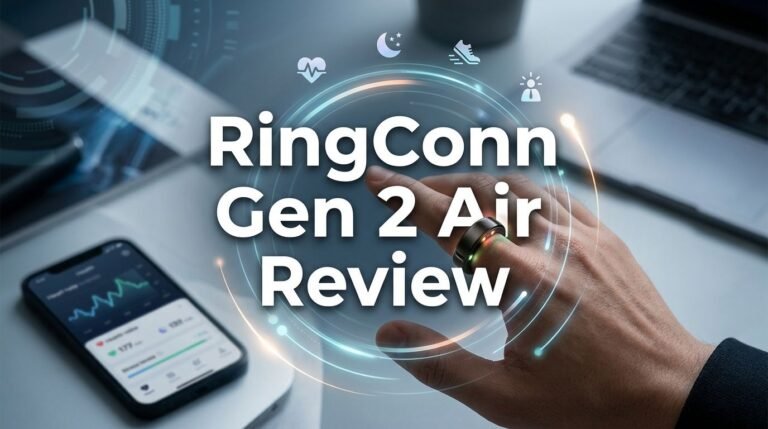
The RingConn Gen 2 Air prioritizes comfort above all else. This ultra-thin smart ring barely registers on your finger. You forget you’re wearing it after just a few hours. The slim profile makes it perfect for people with active lifestyles or those who find regular smart rings too bulky.
AI technology powers the advanced tracking features. The ring monitors your fitness activities, sleep patterns, stress levels, and heart rate continuously.
The 10-day battery life ensures you capture complete weekly data without interruption. The standard features come with no app fees, though premium options require payment.
Sleep analysis on the Gen 2 Air provides detailed breakdowns of your rest quality. You see exactly how much time you spend in each sleep stage. The ring also tracks your sleep consistency, showing patterns over weeks and months. This long-term data helps you identify what improves or disrupts your sleep.
Pros:
Thinnest smart ring available on the market
Excellent value with no mandatory subscriptions
10-day battery life handles weekly tracking
Accurate sleep stage detection
Lightweight design perfect for sleeping
Cons:
Premium features locked behind paywall
Less comprehensive than Oura Ring 4
Smaller sensor array than Gen 2 standard
Limited sleep apnea monitoring
Smart Health Ring 2.0: Budget-Friendly Multi-Feature Tracker

The Smart Health Ring 2.0 delivers impressive features at an affordable price point. This ring costs a fraction of premium models while still providing essential health tracking. The scratch-resistant and fingerprint-resistant design maintains its appearance over time. You get comprehensive monitoring without breaking the bank.
Heart rate, blood oxygen, and blood pressure monitoring come standard on this device. The ring tracks your sleep patterns and daily step count. Stress indicators help you manage your mental health throughout busy days. The waterproof construction means you never need to remove it for washing hands or showering.
The efficient chip design extends battery life while maintaining accurate readings. You can wear this ring during all daily activities without worrying about damage. The simple interface makes it easy for beginners to start tracking their health metrics immediately.
Pros:
Extremely affordable entry price
No subscription fees for any features
Waterproof design for all activities
Monitors multiple health metrics
Simple setup and easy to understand
Cons:
Less accurate than premium options
Basic app with limited insights
Shorter battery life than competitors
Build quality below premium rings
Generic Smart Ring with Sleep Monitoring: Simple and Effective

This generic smart ring focuses on essential sleep and stress tracking without unnecessary complications.
The straightforward approach appeals to people who want basic health monitoring. You get 10 days of battery life and compatibility with both Android and iOS devices. No app subscriptions means lifetime access to all features.
Sleep monitoring covers all the important metrics. The ring tracks your total sleep time, sleep quality score, and interruptions during the night. Heart rate monitoring continues 24/7 to identify patterns and anomalies. Women’s health tracking helps predict cycles and identify irregularities.
Stress measurement happens through heart rate variability analysis. The ring shows when your body experiences elevated stress levels. This awareness helps you take action before stress impacts your health significantly. The simple design means less learning curve and faster adoption.
Pros:
Very affordable price under $50
10-day battery life
No subscription required ever
Compatible with major smartphones
Easy to understand metrics
Cons:
Limited advanced features
Basic sleep stage detection
Generic app interface
Unknown brand reliability
Less comprehensive data analysis
Why Smart Rings Excel at Sleep and Stress Monitoring
Smart rings sit closer to the arteries in your fingers. This position provides more accurate pulse readings compared to wrist-based devices. The constant contact with your skin ensures consistent data collection throughout the night. Unlike smartwatches, rings don’t shift position during sleep movements.
The compact size eliminates discomfort during rest. You never feel pressure or bulk that keeps you awake. Smart rings also avoid the screen light that smartwatches emit when you move at night. This darkness helps maintain your natural sleep cycles.
Temperature sensors in smart rings detect subtle changes your body experiences. These variations indicate different sleep stages and overall health status. The rings track your baseline temperature over time, making it easier to spot deviations that signal illness or hormonal changes.
Understanding Sleep Stages and Why They Matter
Your body cycles through different sleep stages each night. Light sleep prepares you for deeper rest while your brain remains somewhat active. Deep sleep provides the physical restoration your body needs. This stage repairs tissues, builds muscle, and strengthens your immune system.
REM sleep handles mental restoration and memory consolidation. Your brain processes the day’s experiences during these periods. Dreams happen primarily during REM sleep. Adequate REM sleep improves learning, creativity, and emotional regulation.
Smart rings track these stages using heart rate patterns, movement data, and temperature changes. The AI algorithms recognize the signatures of each stage. Understanding your sleep architecture helps you optimize your bedtime routine and environment.
Heart Rate Variability: The Key Stress Indicator
Heart rate variability measures the time between each heartbeat. Higher variability indicates better stress resilience and recovery capacity. When you face stress, your HRV decreases. The measurement provides early warning signs before you feel overwhelmed.
Smart rings measure HRV throughout the day and night. Nighttime HRV proves especially valuable for assessing recovery quality. Poor sleep or high stress lowers your HRV numbers. The rings track these patterns over weeks to identify trends.
You can use HRV data to modify your lifestyle. Activities like meditation, exercise, and better sleep improve your variability scores. The smart ring shows you when interventions work and when you need more recovery time.
Choosing the Right Smart Ring for Your Needs
Consider your budget first when selecting a smart ring. Premium options like Oura provide exceptional features but require ongoing subscription costs. Budget rings offer basic tracking without monthly fees. Decide which features matter most for your health goals.
Battery life affects your daily routine. Rings lasting 10-12 days require less frequent charging. Shorter battery life means more interruptions in your data collection. Choose based on how much charging hassle you can tolerate.
Accuracy matters for medical decisions. Established brands like Oura and RingConn have proven track records. Generic rings might save money but could provide less reliable data. Consider whether you need medical-grade accuracy or general wellness guidance.
Setting Up Your Smart Ring for Optimal Results
Sizing your ring correctly ensures accurate readings. Order a sizing kit before purchasing your smart ring. The ring should fit snugly but not restrict circulation. Most people wear smart rings on their index or middle finger.
Wear your ring consistently for the first two weeks. The AI needs time to learn your baseline patterns. Missing days creates gaps in your data that reduce accuracy. Keep the ring charged so you never miss important health events.
Download the companion app and explore all features. Set up your profile with accurate information about your age, weight, and health goals. The more the app knows about you, the better recommendations it provides.
Maximizing Sleep Quality with Smart Ring Data
Review your sleep data each morning. Look for patterns in your sleep stages and total rest time. Notice what activities or behaviors correlate with better sleep. Use this information to adjust your evening routine.
The temperature data reveals your optimal sleep environment. Your body needs to cool down for quality rest. If your temperature stays elevated, consider adjusting your bedroom temperature or bedding.
Pay attention to your readiness scores. Plan intense activities for high-readiness days. When your score drops, prioritize rest and recovery. This approach prevents burnout and improves long-term performance.
Managing Stress Through Continuous Monitoring
Check your stress levels throughout the day. Identify specific triggers that elevate your heart rate and lower your HRV. Common stressors include work deadlines, conflicts, and lack of sleep.
Use breathing exercises when your ring indicates high stress. Most apps include guided breathing sessions that activate your relaxation response. Just five minutes can significantly reduce stress markers.
Track how different activities affect your stress. Exercise, meditation, and social connection typically improve stress resilience. Alcohol, caffeine, and poor sleep increase stress markers. Adjust your habits based on what the data shows.
Frequently Asked Questions
Do smart rings really work for sleep tracking?
Yes, smart rings provide accurate sleep tracking through multiple sensors. They measure heart rate, body temperature, and movement throughout the night. The position on your finger offers better pulse detection than wrist devices. Multiple studies confirm that quality smart rings match medical sleep monitors for accuracy.
Can I wear a smart ring if I already have a smartwatch?
You can wear both devices together. Many people use smartwatches for activity tracking and smart rings for sleep monitoring. The ring provides superior comfort during sleep. Some users prefer the discreet nature of rings for 24/7 wear. Both devices can sync to the same health apps for comprehensive tracking.
How often do smart rings need charging?
Most smart rings last between 7 to 12 days on a single charge. The exact duration depends on your model and usage patterns. Continuous heart rate monitoring drains batteries faster than periodic checks. You receive low battery notifications through the companion app. Charging typically takes 60 to 90 minutes.
Are smart ring measurements accurate enough for medical purposes?
Smart rings use medical-grade sensors that provide clinical accuracy for most metrics. Heart rate, blood oxygen, and temperature readings match professional medical devices. However, smart rings serve as wellness tools, not medical diagnostic equipment. Always consult healthcare professionals for medical concerns. Share your ring data with doctors to support their assessments.
What finger should I wear my smart ring on?
Most people wear smart rings on their index or middle finger. These positions provide optimal blood flow for accurate readings. Avoid wearing on your thumb as it receives less consistent circulation. The ring should fit snugly without cutting off circulation. Try different fingers during your first week to find the most comfortable position.
Do I need a subscription to use a smart ring?
This depends on the brand you choose. Oura Ring requires a monthly subscription for full app features. RingConn and many budget rings offer lifetime access with no subscription fees. Check the product details before purchasing. Some rings offer basic features free with premium options behind a paywall.