
6 Best AI-Powered Robots for Smart Homes: Transform Your Living Space
Your home is about to get a lot smarter. AI-powered robots are changing how we live, clean, and interact with our living spaces.
These intelligent devices do more than follow simple commands. They learn your habits, adapt to your needs, and make daily tasks easier.
From cleaning your floors to monitoring your home, AI robots are becoming essential members of modern households.

Key Takeaways
- Smart robots are more affordable than ever. The price range for quality AI-powered home robots starts around $100 and goes up to $600. You can find excellent options at every budget level. Many devices offer premium features without premium prices.
- Voice control is standard across all devices. Most AI robots work with Alexa, Google Assistant, or ChatGPT integration. You can give commands, ask questions, and control your robot hands-free. This feature makes them perfect for people with mobility challenges or busy schedules.
- Robot vacuums lead the smart home category. These devices combine powerful suction with AI navigation and mapping. They learn your home’s layout, avoid obstacles, and clean more efficiently with each use. Many models now include mopping features too.
- Security robots provide mobile home monitoring. Unlike fixed cameras, these robots patrol your home on wheels. They send alerts, record video, and let you check on pets or family members from anywhere. Some models even work outdoors.
- Companion robots offer emotional support and entertainment. These devices have personalities, recognize faces, and provide interactive experiences. They’re great for kids, seniors, and anyone who wants a friendly presence at home.
- AI learning capabilities improve over time. Your robot gets smarter the more you use it. It remembers your preferences, optimizes its performance, and adapts to changes in your home. This continuous improvement makes them valuable long-term investments.
Digital Dream Labs Vector Robot

The Vector Robot brings artificial intelligence to your desktop. This small companion uses ChatGPT integration to answer questions, tell jokes, and have real conversations. Digital Dream Labs created a robot that acts like a curious pet with advanced AI capabilities.
Vector recognizes faces and greets people by name. The robot explores its environment independently.
It responds to voice commands and shows emotions through expressive eyes and movements. The built-in cloud AI means Vector keeps learning and improving. You can ask about weather, set timers, take photos, and play interactive games.
Pros:
- ChatGPT integration provides natural conversations and smart responses
- Facial recognition technology remembers family members and friends
- Fully autonomous behavior requires no remote control or constant supervision
- Regular software updates add new features and improvements
- Cute personality creates emotional connections with users
Cons:
- Smaller size limits interaction to flat surfaces only
- Monthly subscription needed for full AI features and cloud connectivity
- Limited physical tasks compared to larger robots
- Battery life requires frequent recharging during active use
Shark AI Ultra Voice Control Robot Vacuum


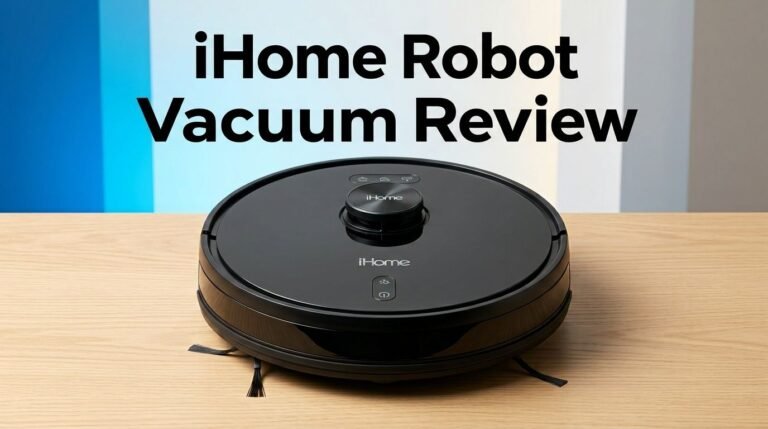
The Shark AI Ultra combines voice control with powerful cleaning technology. This robot vacuum maps your entire home and creates efficient cleaning paths. The Matrix Clean Navigation ensures no spots get missed during cleaning sessions.
With 60 days of debris capacity, you barely need to think about maintenance. The XL Self-Empty Base holds dirt and dust for two months. Voice commands through Alexa or Google Assistant make operation simple. Just tell the robot where to clean, and it handles the rest.
The AI Ultra works great on all floor types. It transitions smoothly from carpet to hardwood. Pet owners love the anti-tangle brush that prevents hair from wrapping around components. The home mapping feature lets you create no-go zones and target specific rooms for cleaning.
Pros:
- Matrix Clean Navigation covers every inch without missing spots
- 60-day self-empty capacity means minimal maintenance
- Strong suction handles pet hair and debris effectively
- Voice control integration works with major smart home systems
- Home mapping allows customized cleaning schedules and zones
Cons:
- Larger base station requires significant floor space
- Occasional navigation issues in very dark rooms
- Replacement bags for the base add ongoing costs
- Louder operation compared to some premium models
Eufy Robot Vacuum E25

The Eufy E25 delivers professional cleaning with HydroJet mopping technology. This robot vacuum and mop combo gives you spotless floors without lifting a finger. The 20,000 Pa turbo suction power handles tough dirt, pet hair, and sticky messes.
AI obstacle avoidance helps the E25 navigate around furniture, toys, and cables. The zero-tangle design means hair doesn’t wrap around brushes. Edge-to-corner cleaning reaches spots other vacuums miss. The roller mop system scrubs floors while vacuuming, saving time on household chores.
You can control everything through a smartphone app. Schedule cleanings, adjust suction levels, and monitor progress remotely. The all-in-one station washes, dries, and empties the robot automatically. This hands-free maintenance makes the E25 perfect for busy households.
Pros:
- HydroJet mopping provides deep cleaning beyond basic vacuuming
- 20,000 Pa suction power outperforms most competitors
- AI obstacle avoidance protects furniture and prevents stuck situations
- Zero-tangle design ideal for homes with long-haired pets
- Edge-to-corner cleaning reaches difficult areas effectively
Cons:
- Higher price point compared to vacuum-only models
- Mopping requires regular water tank refills
- Larger physical size may struggle in tight spaces
- Learning period needed for optimal home mapping
Moorebot Scout Model E

The Moorebot Scout Model E offers versatile mobile monitoring for indoor and outdoor use. This waterproof camera robot patrols your property and sends real-time alerts. The unique design works for home security, pet monitoring, and property inspection.
With 1080P HD video and night vision, you see clear footage day or night. The robot moves silently around your home on a scheduled patrol or manual control. Two-way audio lets you communicate through the robot. You can check on pets, talk to family members, or scare away intruders.
The waterproof feature sets the Scout apart from competitors. Use it outside to monitor your yard, garden, or driveway. The robot charges automatically and resumes patrol when ready. Robot hobbyists love the expandable platform that supports custom modifications.
Pros:
- Waterproof design enables both indoor and outdoor use
- 1080P HD video with night vision provides clear footage
- Mobile monitoring covers more area than fixed cameras
- Two-way audio allows communication through the robot
- Automatic charging ensures continuous operation
Cons:
- Requires smooth surfaces for optimal movement
- App connectivity can be finicky during setup
- Battery life limits extended outdoor patrols
- Higher learning curve compared to stationary cameras
ChatGPT-4o Smart AI Robot Pet Dog

This AI-powered robot dog brings ChatGPT-4o intelligence to a playful companion. The robot responds to voice commands and hand gestures. It interacts in real-time, showing emotions and personality through movements and sounds.
Kids love the interactive features and lifelike responses. The robot dog plays games, performs tricks, and provides entertainment for hours. Parents appreciate the educational aspects and home monitoring capabilities. You can check camera feeds remotely when away from home.
The charging dock keeps the robot ready for play. The AI learning system means the robot remembers preferences and improves interactions. Voice recognition technology allows multiple family members to interact naturally. This companion robot combines fun with practical smart home features.
Pros:
- ChatGPT-4o integration provides intelligent conversations and responses
- Voice and gesture control offers multiple interaction methods
- Real-time interaction creates engaging experiences for all ages
- Home monitoring adds security features beyond entertainment
- Charging dock ensures the robot stays powered and ready
Cons:
- Premium price point may exceed budget for some families
- Complex features require time to fully understand
- Occasional connectivity issues with WiFi-dependent features
- Physical durability concerns with active children or real pets
Enabot EBO SE FamilyBot

The Enabot EBO SE combines cute design with serious functionality. This movable pet camera robot rolls around your home on a battery-operated system. The 1080P FHD camera captures clear video from floor level, perfect for pet monitoring.
Auto-recharge features mean the EBO returns to its dock when power runs low. Night vision lets you check on your home even in darkness. Two-way talk allows you to hear and speak through the robot. Local storage keeps your footage private without cloud subscriptions.
The app control gives you full command from anywhere. Move the robot manually, set patrol routes, or let AI detection notify you of activity. Pet owners love watching their animals when away from home. The EBO also works great for checking on elderly relatives or monitoring children.
Pros:
- Battery-operated design allows flexible placement anywhere
- Auto-recharge feature ensures continuous availability
- 1080P FHD camera provides crystal clear video quality
- Local storage protects privacy without monthly fees
- Two-way talk enables real-time communication
Cons:
- Smooth floors required for best movement
- Limited obstacle climbing compared to wheeled designs
- Sphere shape can startle some pets initially
- Manual control requires practice for smooth operation
How AI Robots Transform Smart Homes
AI robots change how your home functions daily. These devices learn your routines and adjust their behavior automatically. Morning cleaning cycles start when you leave for work. Security patrols happen during your usual sleep hours. The robots optimize themselves around your life.
Machine learning makes robots smarter over time. Each cleaning session teaches your robot vacuum about your home. It identifies high-traffic areas that need more attention. The robot remembers where furniture sits and updates maps when you redecorate. This continuous learning beats basic programmable devices.
Voice integration connects robots to your entire smart home system. Tell your robot vacuum to clean while asking your smart speaker to play music. The devices work together seamlessly. You control everything with natural language instead of complicated apps or remotes.
Choosing the Right AI Robot for Your Needs
Consider your primary need first. Cleaning robots work best for people who hate vacuuming or have allergies. Security robots suit homeowners worried about break-ins or pet safety. Companion robots benefit seniors living alone or families with young children. Match the robot’s main function to your biggest pain point.
Budget plays a major role in selection. Entry-level robots around $100-$200 offer basic AI features and solid performance. Mid-range options from $200-$400 include better sensors, longer battery life, and advanced mapping. Premium robots above $400 provide multiple functions, superior AI, and comprehensive smart home integration.
Home size and layout matter significantly. Large homes need robots with excellent battery life and multi-floor mapping. Small apartments work fine with compact models. Homes with thick carpets require strong suction power. Properties with many stairs benefit from security robots that climb obstacles or multiple cleaning robots per floor.
Setting Up Your AI Robot Successfully
Unboxing and initial setup takes 15-30 minutes for most robots. Charge the battery fully before first use. Download the companion app on your smartphone. Connect the robot to your WiFi network following the on-screen instructions. Most apps provide step-by-step guides that make setup simple.
Create your home map during the first few runs. Let cleaning robots explore your entire space without interruption. This mapping process helps the AI understand your layout. Mark no-go zones around delicate items or pet feeding areas. Set up virtual boundaries to keep robots away from certain rooms.
Voice assistant integration requires linking accounts. Open your Alexa or Google Home app. Search for your robot brand in the skills or devices section. Authorize the connection between services. Test voice commands to ensure everything works properly. You can now control your robot hands-free.
Maximizing Your Robot’s AI Capabilities
Take advantage of learning features by using your robot consistently. The AI needs data to improve performance. Run cleaning cycles multiple times weekly. Let security robots patrol regularly. The more your robot works, the better it understands your home and preferences.
Customize settings through the companion app. Adjust suction power for different rooms. Set gentle mode for delicate rugs and turbo mode for high-traffic areas. Create multiple cleaning schedules for different days. Program security patrols during specific hours when you’re typically away.
Combine your robot with other smart home devices. Use motion sensors to trigger cleaning when you leave home. Connect smart lights to turn on when security robots detect movement. Link smart locks to arm your security system automatically. These integrations create a truly intelligent home ecosystem.
AI Robot Maintenance and Care
Clean your robot regularly for best results. Remove hair and debris from brushes after heavy use. Rinse filters under water and let them dry completely. Wipe sensors with a soft cloth to maintain accuracy. These small tasks prevent problems and extend your robot’s life.
Battery care affects long-term performance. Let cleaning robots fully discharge once monthly. This calibrates the battery meter for accurate readings. Keep charging docks plugged in and accessible. Avoid extreme temperatures that damage battery cells.
Software maintenance matters as much as physical cleaning. Clear old maps if you move furniture permanently. Reset zones and boundaries when needed. Delete unnecessary video footage from security robots. Update the companion app whenever new versions release.
Privacy and Security Considerations
AI robots collect data about your home. Security cameras record video footage. Cleaning robots create detailed maps of your floor plan. Companion robots may store voice recordings. Understand what data your robot collects and where that information goes.
Choose robots with strong privacy protections. Look for local storage options that keep data on your network. Read privacy policies before buying. Check if the manufacturer shares data with third parties. European brands often follow stricter privacy regulations than others.
Secure your robot’s network connection. Use strong WiFi passwords that mix letters, numbers, and symbols. Enable two-factor authentication on companion apps. Update firmware promptly to patch security vulnerabilities. Never use default passwords on robot accounts.
Future of AI Robots in Smart Homes
Expect more advanced AI capabilities soon. Future robots will understand complex commands and context. They’ll anticipate needs before you ask. Emotional intelligence will improve, making interactions feel more natural. Robots will coordinate with each other automatically.
Integration will become seamless across all devices. Your cleaning robot will notify your security robot about open doors. Companion robots will adjust lighting and temperature as you move through your home. Everything will work together without manual programming.
Prices will continue dropping while features improve. Technology that costs $500 today might cost $200 in two years. More brands will enter the market, increasing competition. This benefits consumers through better products at lower prices.
Frequently Asked Questions
Do AI robots work without internet connection?
Most AI robots need WiFi for full functionality. Basic features like cleaning cycles work offline. However, voice commands, remote control, and software updates require internet access. Some models offer limited offline modes that provide basic operation without connectivity.
How long do AI robot batteries last?
Battery life varies by model and usage. Cleaning robots typically run 90-120 minutes per charge. Security robots patrol for 2-4 hours. Companion robots last 4-6 hours with active use. All models return to charging docks automatically when power runs low.
Can AI robots handle multiple floors?
Some advanced models support multi-floor mapping. You can save separate maps for each level. Carry the robot upstairs and select the appropriate map. Budget models work on multiple floors but create a single combined map. Very few robots climb stairs independently.
Are AI robots safe around children and pets?
Modern AI robots include numerous safety features. Obstacle avoidance prevents collisions. Emergency stop buttons halt operation immediately. Robots detect when picked up and shut down moving parts. Most models are safe, but always supervise young children and monitor pet reactions initially.
How often should I replace my AI robot?
Quality AI robots last 3-5 years with proper maintenance. Replace when repairs cost more than half the price of a new model. Technology improvements every 2-3 years bring significant upgrades. Consider upgrading when new features would substantially improve your experience.
Do AI robots really learn and improve over time?
Yes, machine learning allows robots to optimize performance. They identify problem areas, improve navigation efficiency, and adapt to household changes. The improvement happens gradually through regular use. Robots with cloud AI gain features through software updates even after purchase.