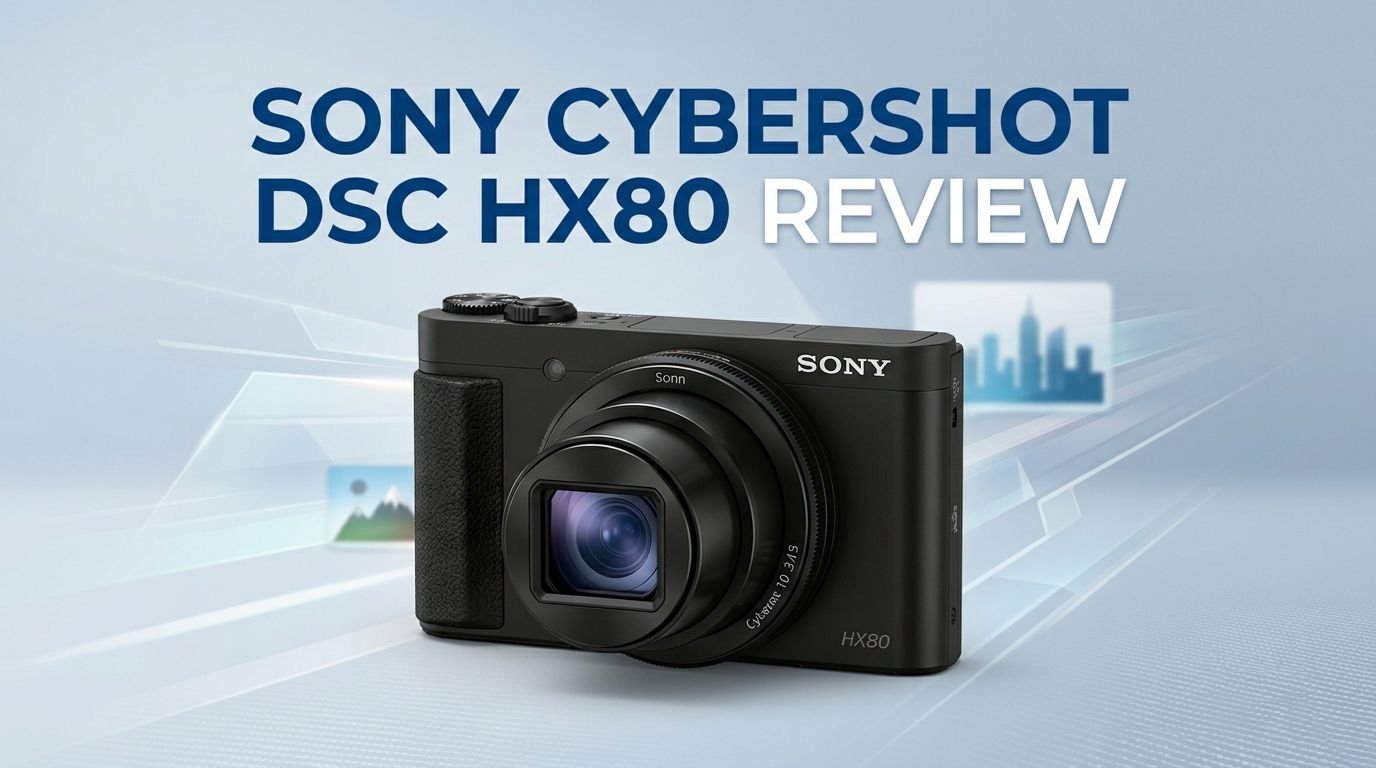
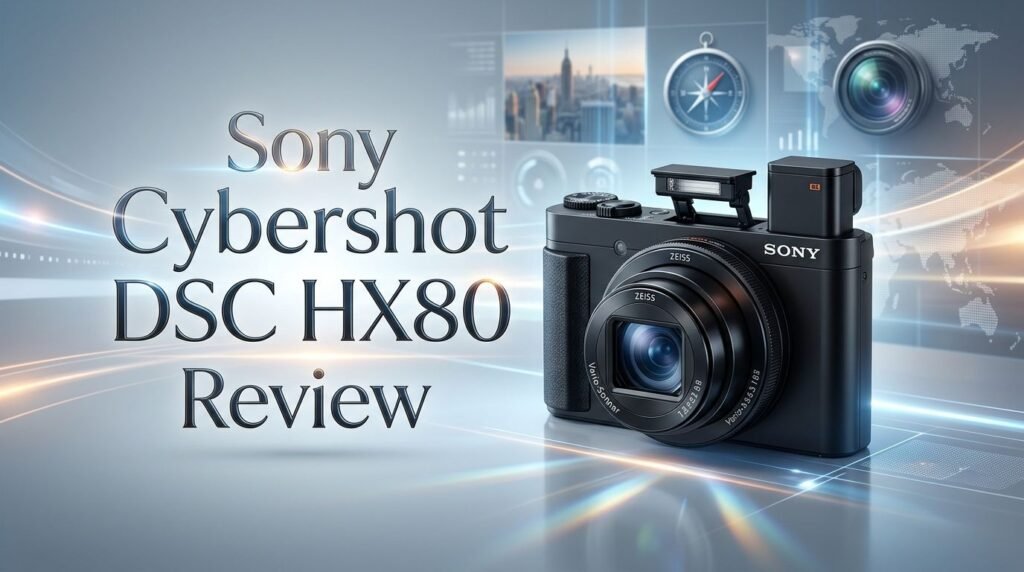
Sony Cybershot DSC HX80 Review 2026: Worth Your Money?
Are you searching for a pocket friendly camera that packs a serious zoom punch? The Sony Cybershot DSC HX80 has been a fan favorite for years.
It fits in your pocket, shoots great photos, and offers a massive 30x optical zoom. But in 2026, does it still hold up against newer smartphones and compact cameras? This review dives deep into every feature, every strength, and every weakness of the DSC HX80.
Whether you are a casual traveler, a hobbyist, or someone who just wants better photos than a phone can deliver, this review will help you decide. Stick around because we also cover three strong alternatives and answer the most common questions buyers have about this camera.
Key Takeaways
- The Sony DSC HX80 features an 18.2 MP Exmor R CMOS sensor paired with a ZEISS Vario Sonnar T* lens. This combo delivers sharp and vibrant images, especially in well lit environments. The 30x optical zoom (24mm to 720mm equivalent) gives you incredible reach in a very small body.
- It is one of the smallest 30x zoom cameras ever made. You can slide it into a jacket pocket with ease. The retractable electronic viewfinder and 180 degree tilting LCD screen add real versatility without adding bulk.
- 5 axis optical image stabilization helps reduce blur from shaky hands, which is essential at long zoom ranges. You get smooth handheld shots even at full 720mm equivalent zoom.
- Wi Fi and NFC connectivity allow quick image transfer to your smartphone. You can share photos on social media within seconds of taking them.
- Video recording tops out at 1080p Full HD. This is a notable limitation in 2026 where 4K has become standard. If video quality matters a lot to you, this could be a deal breaker.
- Battery life is rated at approximately 390 shots per charge. This is decent for a compact camera and should last through a full day of casual shooting.

Sony Cybershot DSC HX80 Overview and First Impressions
The Sony Cybershot DSC HX80 launched in March 2016 as part of Sony’s popular HX travel zoom lineup. It was built for people who want more zoom and better image quality than a smartphone can offer. The camera weighs just 246 grams with the battery and memory card included. You can carry it all day without fatigue.
The first thing you notice is how small and sleek this camera is. Sony managed to fit a 30x zoom lens into a body that is barely bigger than a deck of cards. The matte black finish gives it a professional look. The build quality feels solid, though the body is mostly plastic.
Turning it on, the lens extends quickly and the camera is ready to shoot in about 1.5 seconds. The 3 inch tilting LCD screen is bright and easy to read outdoors. The pop up electronic viewfinder (EVF) is a standout feature at this price point. Most compact cameras skip the viewfinder entirely. Having one here is a real bonus for bright daylight shooting.
The menu system follows Sony’s standard layout. It can feel a bit cluttered at first. But once you learn where things are, you can change settings quickly. The camera supports full manual control (aperture priority, shutter priority, and full manual mode). This makes it a great learning tool for beginners who want to grow their skills.
Design and Build Quality
The DSC HX80 measures approximately 102 x 58 x 36 mm. That makes it one of the most compact 30x zoom cameras on the market even today. The body has a small textured grip on the front. It provides just enough hold for comfortable one handed shooting.
All the buttons are placed on the right side. You get a dedicated video record button, a control wheel, and a function button for quick access to settings. The shutter button has a smooth half press action that activates autofocus reliably. The top of the camera houses the power switch, zoom lever, and the pop up EVF mechanism.
The 180 degree tilting screen is perfect for selfies and low angle shots. It does not have touch functionality, which is a minor drawback. You must rely on physical buttons and dials for all navigation. The screen resolution is 921,600 dots, and it displays accurate colors.
Sony used a metal lens barrel that feels sturdy during zoom operation. The zoom action is smooth and quiet. The camera does not feel flimsy despite its small size. However, it lacks weather sealing. You should avoid using it in rain or dusty conditions without protection.
Lens and Zoom Performance
The ZEISS Vario Sonnar T lens* is a major selling point. It covers a focal range of 24mm to 720mm (35mm equivalent). That means you can capture wide landscapes and then zoom in to distant subjects without changing lenses or positions.
At the wide end (24mm), the lens delivers sharp images across the frame. Colors look natural, and distortion is minimal. As you zoom past the 200mm mark, you start to see slight softness at the edges. This is normal for a compact camera lens. The center of the frame remains sharp through most of the zoom range.
The maximum aperture starts at f/3.5 at 24mm and drops to f/6.4 at 720mm. This means the lens lets in less light as you zoom in. In low light at full zoom, you may need to raise the ISO or use a tripod for sharp shots.
Sony also includes Clear Image Zoom, which digitally extends the reach to 60x while maintaining reasonable quality. It is not as sharp as optical zoom, but it works well for casual shots where you need that extra reach. For wildlife or sports events, the 30x optical zoom alone gives you impressive ability to capture distant action.
Image Quality and Sensor Performance
The DSC HX80 uses an 18.2 megapixel 1/2.3 inch Exmor R CMOS sensor. This is the same sensor size found in most compact cameras and smartphones. It performs well in good lighting conditions. Photos look sharp, colorful, and detailed at ISO 100 to 400.
As you push the ISO higher, noise becomes visible around ISO 800. At ISO 1600 and above, fine details start to soften. The camera processes noise aggressively. This can lead to a slight watercolor effect on textures. For best results, shoot at the lowest ISO possible.
Dynamic range is acceptable for a 1/2.3 inch sensor. Highlights can blow out in high contrast scenes. Shadows hold some detail, but pushing them in editing reveals noise quickly. Shooting in JPEG gives you Sony’s well tuned color profiles. The camera does not support RAW file capture, which limits post processing flexibility.
The auto white balance performs reliably in most conditions. It handles daylight, shade, and indoor tungsten lighting well. Skin tones look natural in portrait mode. The camera also includes several picture effects and creative styles that add fun options for casual shooters.
Top 3 Alternatives for Sony Cybershot DSC HX80
If the DSC HX80 does not check all your boxes, here are three excellent alternatives to consider. Each one offers unique strengths.
Sony DSC HX99 is the direct successor. It adds 4K video recording, a touch enabled LCD screen, and a control ring on the lens barrel. The sensor and zoom range are similar, but the HX99 feels more modern and capable. It is the best upgrade if you want to stay in the Sony ecosystem.

Canon PowerShot SX740 HS offers a 40x optical zoom and 4K video recording. It has a 20.3 MP sensor and a tilting screen for selfies. The Canon color science tends to produce warm and pleasing skin tones. It is slightly larger than the HX80 but still very pocketable.

Panasonic Lumix ZS80D features a 30x optical zoom, 4K video, and a built in electronic viewfinder. It also has a touch screen and a dedicated selfie mode. The Panasonic offers strong image stabilization and good low light performance for its class.

Autofocus Speed and Accuracy
The DSC HX80 uses a contrast detection autofocus system. It locks on subjects quickly in good light. The focus speed is approximately 0.09 seconds at the wide end, according to Sony’s specs. This is fast enough for most everyday situations.
At the telephoto end, autofocus slows down noticeably. The camera sometimes hunts for focus in low contrast scenes or when the light drops. This is typical for compact cameras with contrast based AF systems. Face detection works well for portraits. It finds faces quickly and keeps them in focus.
The camera also features Lock on AF tracking. This lets you select a subject and have the camera follow it as it moves. It works reasonably well for slow to moderate movement. Fast action like sports or running pets can cause the system to lose track. For those scenarios, you may need to switch to center point AF and track manually.
Macro focusing allows you to get as close as 5 cm at the wide end. This is great for close up shots of flowers, food, and small objects. The bokeh at close range looks pleasant and helps isolate your subject from the background.
Video Recording Capabilities
Video is where the DSC HX80 shows its age. The camera records 1080p Full HD video at 60fps or 30fps. In 2026, this falls behind competitors that offer 4K recording as a standard feature.
The footage looks decent on smaller screens. Colors are accurate and exposure is handled well in auto mode. You can use the full 30x zoom range during recording. The 5 axis stabilization helps smooth out handheld footage, which is a real advantage.
Audio is captured through a built in stereo microphone. There is no external microphone jack. Wind noise can be an issue outdoors. The camera does include a wind noise reduction setting, but it slightly reduces audio quality.
XAVC S and AVCHD recording formats are available. XAVC S offers better quality at higher bitrates. You will need a fast enough memory card (Class 10 or UHS I) for smooth recording. The camera also supports MP4 format for easy sharing and compatibility with most devices.
Electronic Viewfinder and LCD Screen
The retractable electronic viewfinder (EVF) is a rare feature at this price level. You pop it up manually from the top of the camera. It has a resolution of approximately 638,400 dots. It is small and basic compared to higher end cameras, but it gets the job done.
Using the EVF helps in bright sunlight when the LCD screen becomes hard to see. It also encourages a more stable shooting posture because you brace the camera against your face. This reduces camera shake, especially at long zoom settings.
The 3 inch tilting LCD screen flips up a full 180 degrees. This makes it ideal for selfies and vlogging. The screen shows a clear preview of your composition. Colors on the LCD are vibrant and close to the final output. However, the lack of touch functionality feels dated. You cannot tap to focus or swipe through images on the screen.
The screen is also useful for low angle shooting. You can tilt it up while holding the camera near the ground. This is helpful for pet photography, street photography, and creative compositions. The EVF and LCD together give you flexible framing options for any shooting situation.
Battery Life and Storage Options
The DSC HX80 runs on the NP BX1 rechargeable lithium ion battery. Sony rates it at approximately 390 shots per charge using the LCD screen. Using the EVF reduces this number slightly. In real world use, you can expect around 300 to 350 shots depending on how much you zoom and review images.
The battery charges via USB inside the camera. You do not need an external charger, though one is available separately. This means you can charge it from a power bank while traveling. A full charge takes about 230 minutes through USB.
For storage, the camera accepts Memory Stick Micro and microSD cards. A fast microSD card is recommended for smooth performance, especially during continuous shooting and video recording. A 32 GB or 64 GB card gives you plenty of space for a full day of shooting.
If you plan long trips, buying a spare NP BX1 battery is a smart idea. They are small, lightweight, and inexpensive. Having two batteries ensures you never miss a shot because of a dead battery.
Connectivity and Sharing Features
The DSC HX80 includes Wi Fi and NFC for wireless connectivity. You can pair the camera with your smartphone using Sony’s Imaging Edge Mobile app (previously called PlayMemories Mobile). The pairing process is straightforward. NFC makes it even faster if your phone supports it.
Once connected, you can transfer photos directly to your phone. You can also use your phone as a remote control for the camera. This is useful for group photos or long exposure shots where you want to avoid touching the camera.
The Wi Fi transfer speed is adequate for sharing individual photos. Transferring large batches of images can be slow. For faster bulk transfers, using a USB cable or card reader is the better option.
The camera also supports HDMI output through a Micro HDMI port. You can connect it to a TV for slideshows and playback. This is a nice feature for reviewing your images on a larger screen at home or during presentations.
Shooting Modes and Creative Features
Sony packed the DSC HX80 with a generous selection of shooting modes. You get the standard Program, Aperture Priority, Shutter Priority, and Manual modes. These give experienced shooters full control over exposure settings.
For beginners, Intelligent Auto mode analyzes the scene and selects the best settings automatically. It works well in most situations. The camera recognizes common scenes like portraits, landscapes, sunsets, and macro subjects. It adjusts color, exposure, and focus accordingly.
Panorama mode lets you sweep the camera horizontally or vertically to create wide panoramic images. The stitching is seamless in most cases. Scene Selection mode offers presets for specific scenarios like beach, snow, fireworks, and night portrait.
The camera includes Picture Effect mode with filters like Toy Camera, Pop Color, Posterization, and Watercolor. These are fun for social media posts. Sony also offers Creative Style settings that adjust contrast, saturation, and sharpness profiles. These let you fine tune the look of your JPEGs without external editing software.
Who Should Buy the Sony DSC HX80 in 2026
The DSC HX80 is a strong choice for travelers who want a compact camera with huge zoom range. It fits in your pocket and gives you the reach to photograph distant landmarks, wildlife, and events. No smartphone can match its 30x optical zoom capability.
Casual photographers and families will appreciate the easy auto modes and quick sharing features. Point the camera, press the shutter, and get a good photo. It does not require technical knowledge to produce pleasing results.
Budget conscious buyers will find the HX80 appealing. Since it has been on the market for several years, prices have dropped significantly. You can find new and refurbished units at very attractive prices. This makes it an excellent value for what it offers.
However, if you need 4K video, RAW file support, or advanced autofocus tracking, the HX80 falls short. Content creators and serious videographers should look at the Sony HX99 or Canon SX740 HS instead. These alternatives offer modern features at a modest price increase.
Pros and Cons of the Sony DSC HX80
The strengths of this camera are clear. The 30x optical zoom is impressive for a pocket sized body. The ZEISS lens produces sharp images. The pop up EVF adds real shooting flexibility. Image stabilization keeps your handheld shots steady. Wi Fi and NFC make sharing effortless. The 180 degree tilting screen is great for selfies.
The weaknesses are equally honest. The 1/2.3 inch sensor limits low light performance. There is no 4K video. The camera does not shoot RAW files. The LCD screen lacks touch input. Autofocus can hunt at the telephoto end in low light. The EVF is small and low resolution compared to newer models.
Overall, the balance tips positive. For the current asking price, the DSC HX80 delivers strong value. It does its core job, travel photography with huge zoom, very well. The limitations are predictable for its class and age. If you set your expectations correctly, this camera will serve you well for years.
Final Verdict on the Sony Cybershot DSC HX80
The Sony Cybershot DSC HX80 remains a solid compact travel zoom camera in 2026. Its combination of 30x ZEISS zoom, pocket friendly size, and electronic viewfinder is still hard to beat at its current price. It takes sharp photos in good light and delivers smooth stabilized video at 1080p.
Yes, it lacks modern features like 4K video and RAW capture. The autofocus system is older and not as fast as current models. But at its reduced price point, it offers exceptional value for casual photographers and travelers. If your priority is zoom range in the smallest possible body, the HX80 is a smart buy.
For those who want a newer feature set, the Sony HX99 is the logical step up. It keeps the same compact form factor while adding 4K and touch screen control. But if budget is your main concern and you can live without 4K, the DSC HX80 is still a winner.
Frequently Asked Questions
Is the Sony DSC HX80 good for travel photography?
Yes, the DSC HX80 is an excellent travel camera. Its 30x optical zoom covers wide angle to super telephoto in a body that fits in your pocket. The 5 axis stabilization helps you get sharp shots without a tripod. Wi Fi sharing lets you post photos from the road.
Does the Sony DSC HX80 record 4K video?
No, the DSC HX80 records video at a maximum of 1080p Full HD at 60fps. It does not support 4K recording. If you need 4K video, consider the Sony DSC HX99 or the Canon PowerShot SX740 HS as alternatives.
Can you shoot RAW photos with the Sony DSC HX80?
No, the DSC HX80 only saves images in JPEG format. It does not offer RAW file capture. This limits your ability to make detailed edits in post processing software. The Sony HX99 also lacks RAW, so you would need to move up to the RX100 series for that feature.
How does the Sony DSC HX80 compare to the HX99?
The HX99 is the newer model. It adds 4K video recording, a touchscreen LCD, and a control ring on the lens. The zoom range and sensor are similar. The HX99 is the better choice if you want modern features. The HX80 is the better choice if you want to save money.
What memory card does the Sony DSC HX80 use?
The DSC HX80 accepts Memory Stick Micro (M2) and microSD/microSDHC/microSDXC cards. A Class 10 or UHS I rated microSD card is recommended for the best performance during video recording and continuous shooting.
Is the Sony DSC HX80 still worth buying in 2026?
It depends on your priorities. If you want a cheap, compact, and powerful zoom camera for travel and casual photography, the HX80 is still a great value. If you need 4K video, faster autofocus, or touch screen controls, newer models serve you better.